![[Translate to English:] Wasser-sprudelnd-AdobeStock_1618062016_Best](/media/_processed_/2/a/csm_Wasser-sprudelnd-AdobeStock_1618062016_Best_01edb8cc03.jpeg "AdobeStock_1618062016")
Inhalt: Water in the Agricultural Landscape: Securing Yields, Conserving Resources, Minimizing Risks
Current Situation
Less than 5% of Germany´s agricultural land is irrigated, primarily for growing vegetables, strawberries, and potatoes. Consequently, overall agricultural production is highly dependent on natural precipitation. Climate change, although occuring differently in various regions of Germany, generally leads to lower precipitation volumes, changes in precipitation distribution, and an increase in extreme weather events. Furthermore, shifts in precipitation volumes during the growing season are creating an increasing discrepancy between the rain-fed water supply and the water demands of plants. Thus, the consequences of climate change are leading to highly fluctuating yields and a decrease in yield stability. In addition to this direct impact on agricultural production, it must be considered that long-lasting droughts deplete natural soil water reserves while the higher incidence of heavy rainfall rises the risk of nutrient and pollutant runoff into groundwater and adjacent ecosystems.
JKI's work on the topic of water addresses various aspects:
Adaptation of plant production: How can plant production adapt to altered water availability to secure yield and quality in the long term?
Landscape water balance: What contribution can agriculture make to stabilizing water cycles and retaining precipitation in the landscape?
- Resource efficiency: How can water be used more efficiently and in accordance with One Health principles?
Too much, too little, at the wrong time? – Breeding and crop production systems for more efficient water use
As dry spells become more frequent and weather extremes increase, there is a need for varieties and agricultural systems that deliver stable yields in these conditions. In this context, the term water use efficiency (WUE) is frequently used. It refers to how effectively plants convert available water into biomass and yield, and how stable this ratio remains under changing conditions. Trials with contrasting irrigation regimes show that modern varieties achieve higher yields per litre of water than older varieties under well-watered and drought stress conditions.
Physiological and genetic bases of water use efficiency
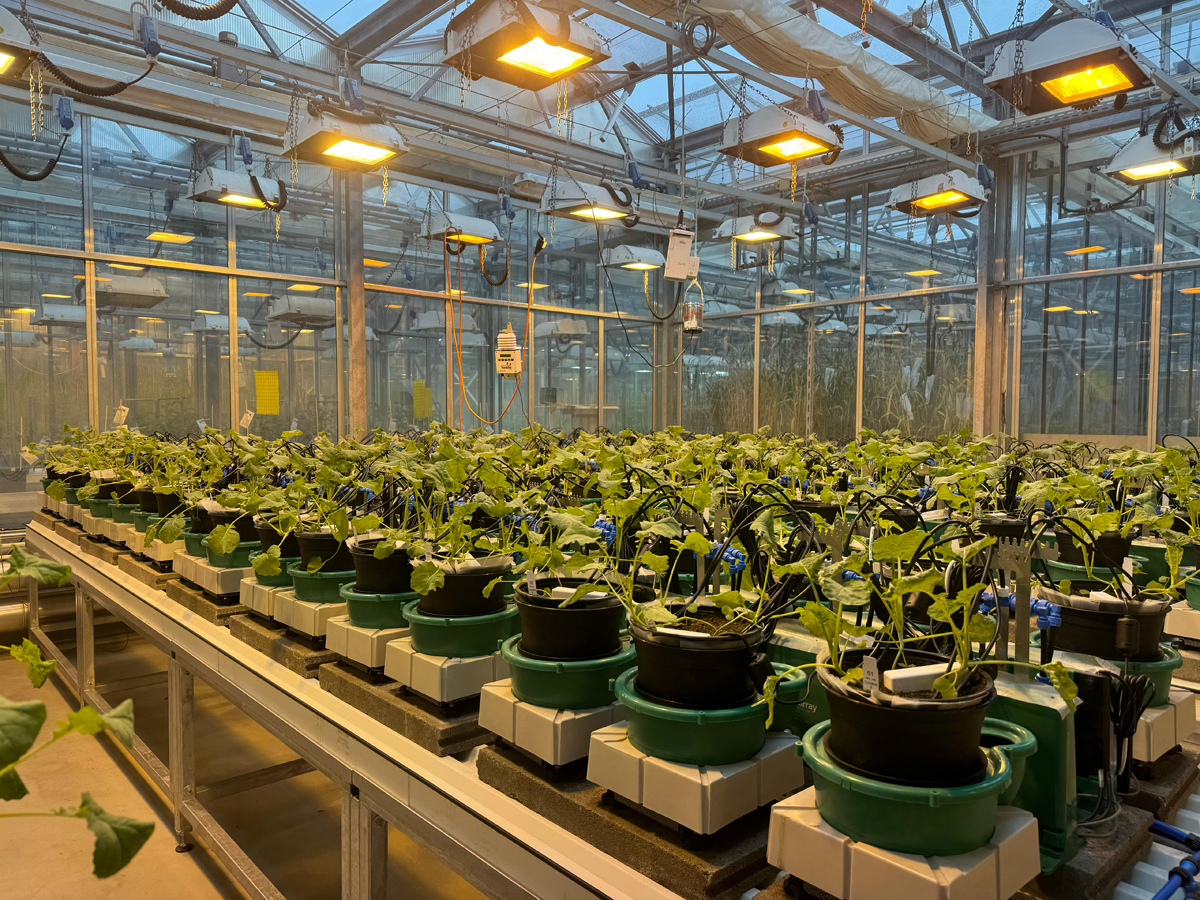
The JKI conducts research on the physiological and genetic basis of water use efficiency. For example, we are investigating whether a more branched and longer root system favours water uptake even when soil water reserves are far below ground. Water release via stomata is also important for water use efficiency: in case stomata close quick, evaporation is reduced, but so is photosynthetic performance. If plants can control the timing and amount of water release through their stomata more precisely, higher yields can be achieved per litre of water. The JKI's modern research infrastructure facilitates digital recording of plant water consumption at intervals of just a few minutes. This allows the behavioural patterns of a multitude of varieties to be analysed in great detail under different scenarios. This is a step towards creating more drought-tolerant varieties. Furthermore, improving nitrogen use efficiency (NUE) is an integral part of research at the JKI. Drones are used to observe the development of biomass for hundreds of genotypes, to identify those that achieve the highest yields and quality with reduced nitrogen fertilisation. Indeed, several studies prove that improved genetics contribute to reducing the nitrogen balance surplus. This contributes to reducing nitrate inputs into water bodies and gaseous losses.
Agronomic strategies and system approaches
In addition to improved varieties, cultivation systems are needed to enable these varieties to actually realise their inherent genetic potential. This is particularly important when linking variety and management effects with regional climate projections and site conditions. Besides selecting best suited crop species and varieties, crop rotations are key for a viable crop production under changing precipitation. The optimal combination of spring and winter crops, cereal and leafy crops, as well as deep- and shallow-rooting crops, can stabilize the soil water balance. Catch crops and under-sown crops improve soil structure, infiltration, and water storage capacity while preventing erosion. Closely linked to this is the question of tillage: Reduced tillage methods can help to conserve soil water and to maintain organic matter, thereby securing soil functionality even under drought conditions. At the JKI, we are also investigating the extent to which alternative cultivation systems such as agroforestry and mixed cropping, can help to adapt to changing precipitation patterns (Project KlimAF), as well as spot farming systems.
At the JKI, we are developing and evaluating cropping systems in which adaptation to altered precipitation patterns is not determined by a single factor, only. Our focus is on systems in which individual measures are specifically coordinated with one another and can jointly react to water scarcity and weather variability. These system approaches are tested in long-term trials under practical conditions on a Arable Farming Pilot Farm ("Leitbetrieb Ackerbau"), with the aim of identifying robust cropping systems that deliver reliable performance under volatile climatic conditions rather than striving for maximum yields under ideal conditions.
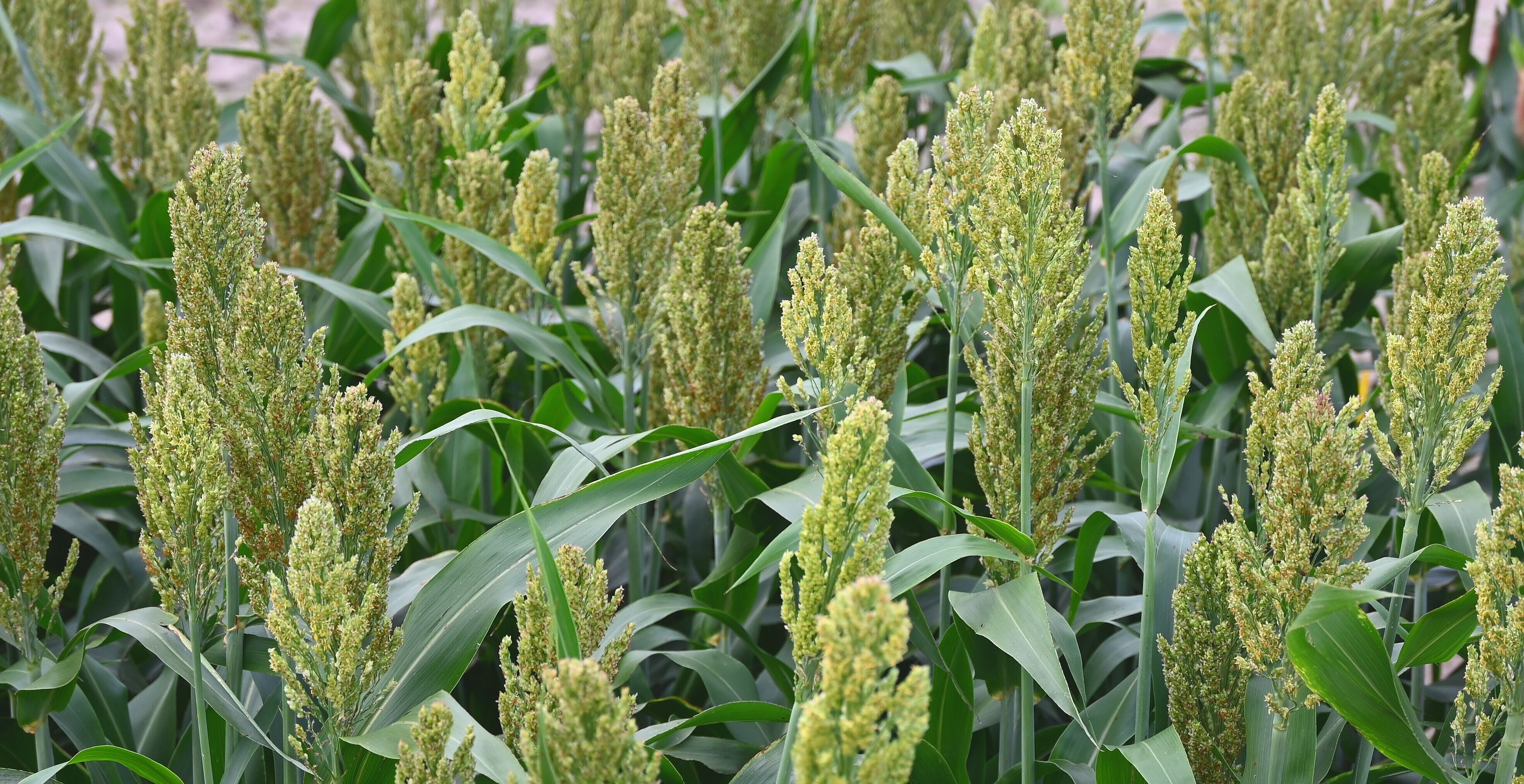
Another key point is diversifying cropping systems by establishing new, drought-tolerant crop species. "A promising example is sorghum millet. As a C4 plant, it has a significant physiological advantage over many domestic C3 crops as it transpires significantly less moisture through its leaves for the same CO2 uptake for photosynthesis," explains Dr. Lorenz Kottmann. The JKI collaborates with partners in Australia and in international research networks to establish sorghum as a robust alternative crop and integrate it firmly into local cropping systems (see projects SORGHUM and SorBOOM).
Water in the agricultural landscape: Interplay of usage and regulation
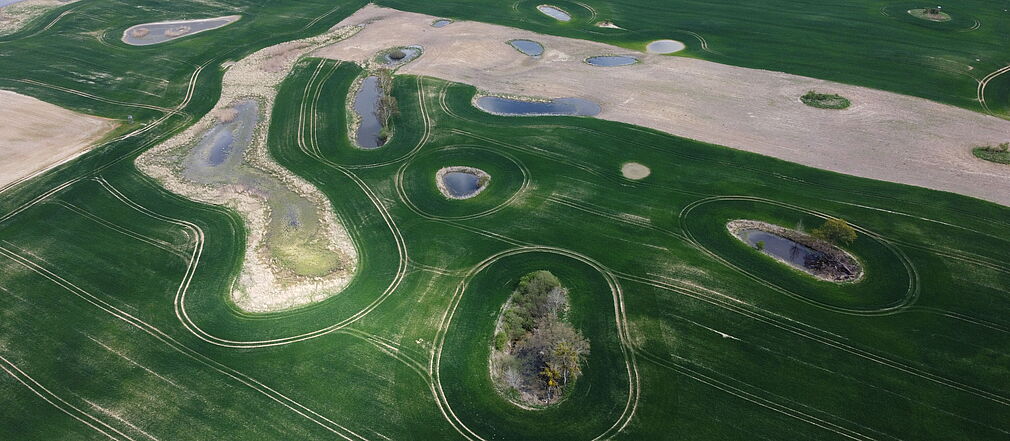
Agriculture is not just a water user; it can also actively contribute to stabilise hydrological cycles. Small water bodies are particularly important in this regard. Germany has around 290,000 such small standing bodies of water, around 60,000 which are located directly within agricultural landscapes.
"Small standing bodies of water are ecologically significant as refuges, biodiversity hotspots, and networking habitats, but they are also particularly vulnerable due to their low water volumes and small catchment areas, as well as their proximity to sources of agricultural inputs," explains Dr. Stefan Lorenz from the JKI Institute for Ecological Chemistry, Plant Analysis and Stored Product Protection. " This is where we can see how inputs, habitat structures, and biological communities interact."
Monitoring and Modelling
In order to assess risks before damage occurs, the JKI uses modelling tools such as SYNOPS. SYNOPS was developed as part of the National Action Plan on the Sustainable Use of Plant Protection Products and is used to evaluate the risk to surface water. SYNOPS maps national trends, supports spatially differentiated analyses, and enables assessments at field or plot level. We validate these forecasts using long-term actual observations (see projects NAP and Stopp). It is only possible to clarify cause-and-effect relationships and strengthen the ecological self-regulation of water bodies by taking into account chemical stress indicators (e.g., plant protection products, nutrients) and biological parameters (e.g., water body and bank structures, organism communities) together.
Synergies of green and blue infrastructure
Our research highlights the close interaction between vegetation ("green infrastructure") and water ("blue infrastructure"). Unlike pure soil evaporation, plants actively control the transport of moisture via transpiration (the release of water into the atmosphere) and the interception (the evaporation of intercepted precipitation), which has a cooling effect on the landscape. To effectively promote water retention, various measures must be implemented. Permanent structural elements such as hedges, agroforestry systems, and flower strips reduce wind speed and thus evaporation losses. In addition, agronomic strategies such as mulching, build-up of soil organic matter, and reduced tillage improve the soil's infiltration and storage capacity. Inoculating of seeds or plant roots with beneficial microorganisms can also enhance the supply of nutrients and water to plants, thereby mitigating drought stress. This is a key focus in our current projects (e.g. Micro2Health, PrimedPlant).
Water Reuse: Between resource efficiency and risk minimization
While the reuse of treated water (Water Reuse) is already common practice in many regions worldwide, it is increasingly being discussed as a way to mitigate conflicts of over use in Germany. However, the viability of this approach for food production depends crucially on water quality. From a One Health perspective - the holistic view of the health of humans, animals, plants, and the environment - reuse is only justifiable if risks are reliably controlled. In addition to classical pollutants, microbiological risks and micropollutants are coming into focus. Residues of antibiotics, which can favour the development and spread of antibiotic resistance in bacteria, are of particular concern.
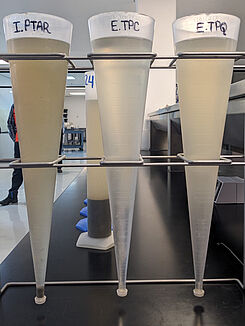
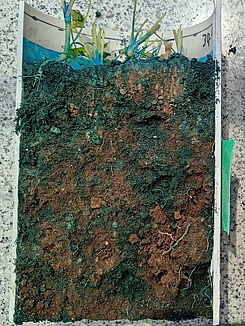
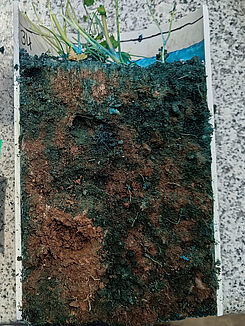
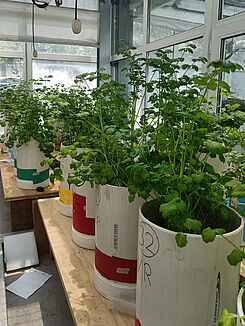
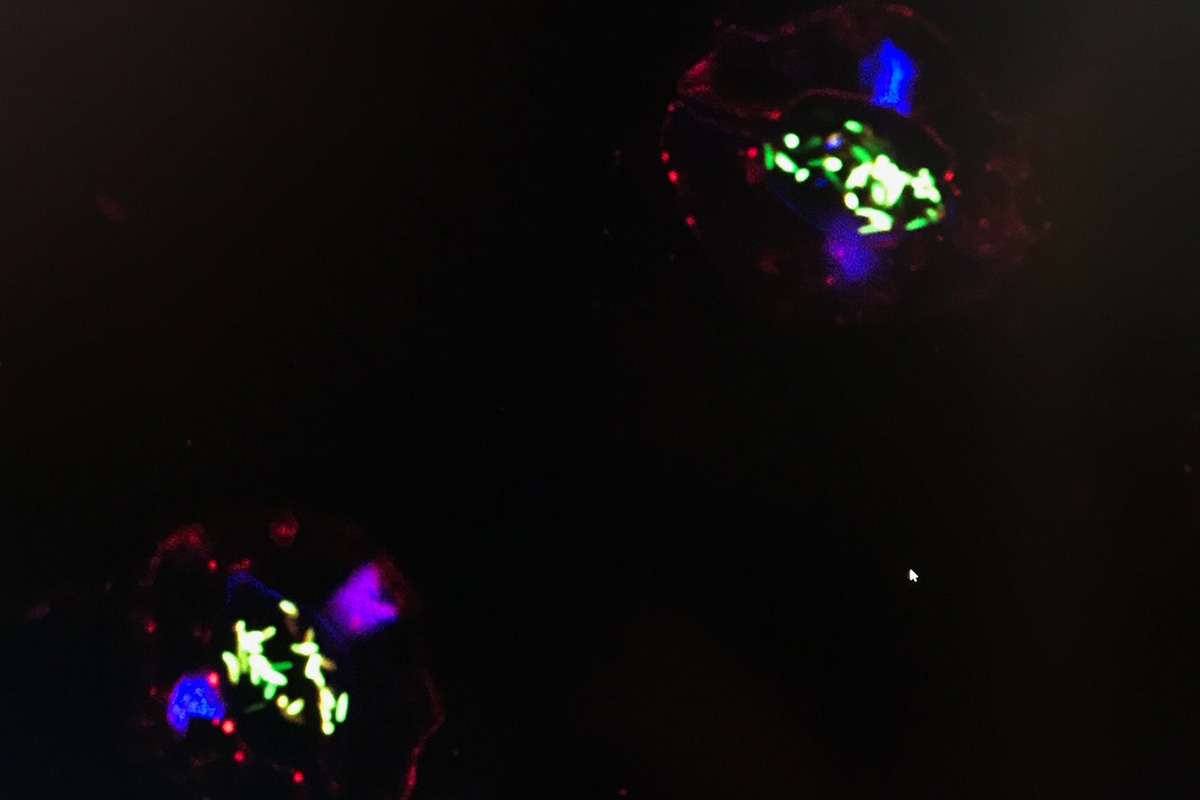
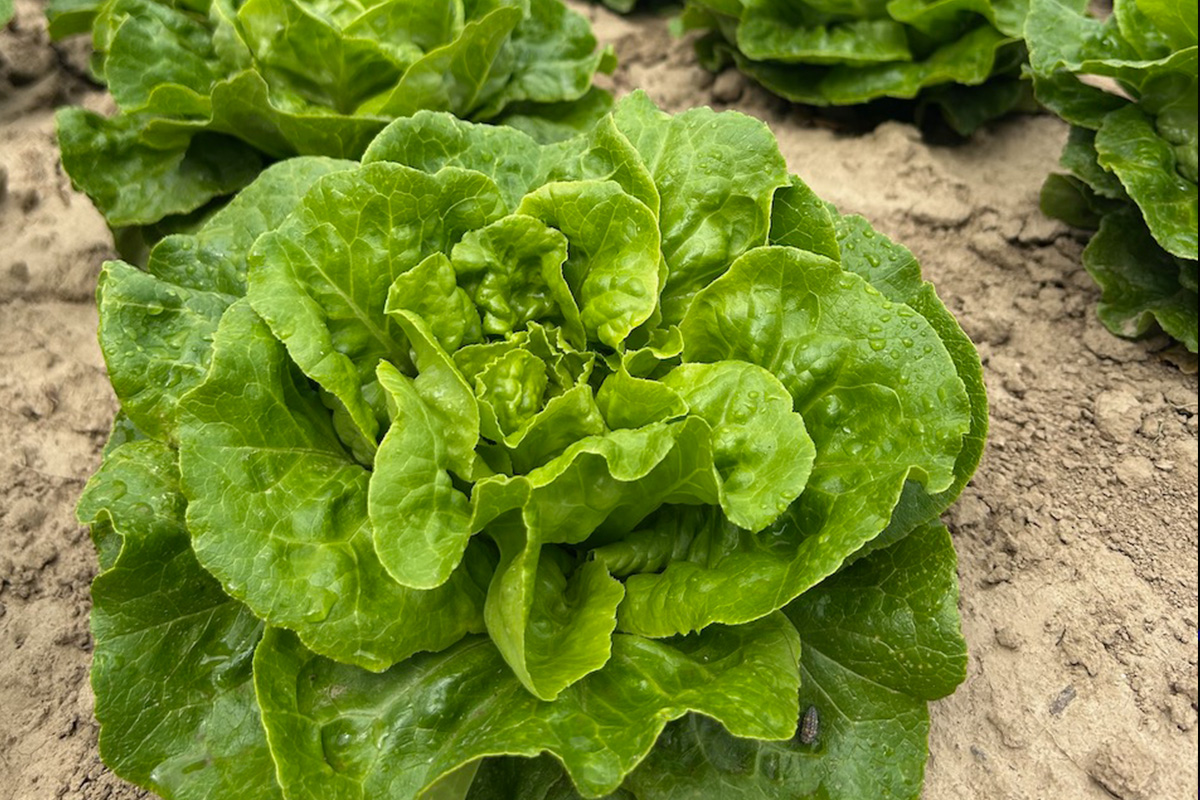
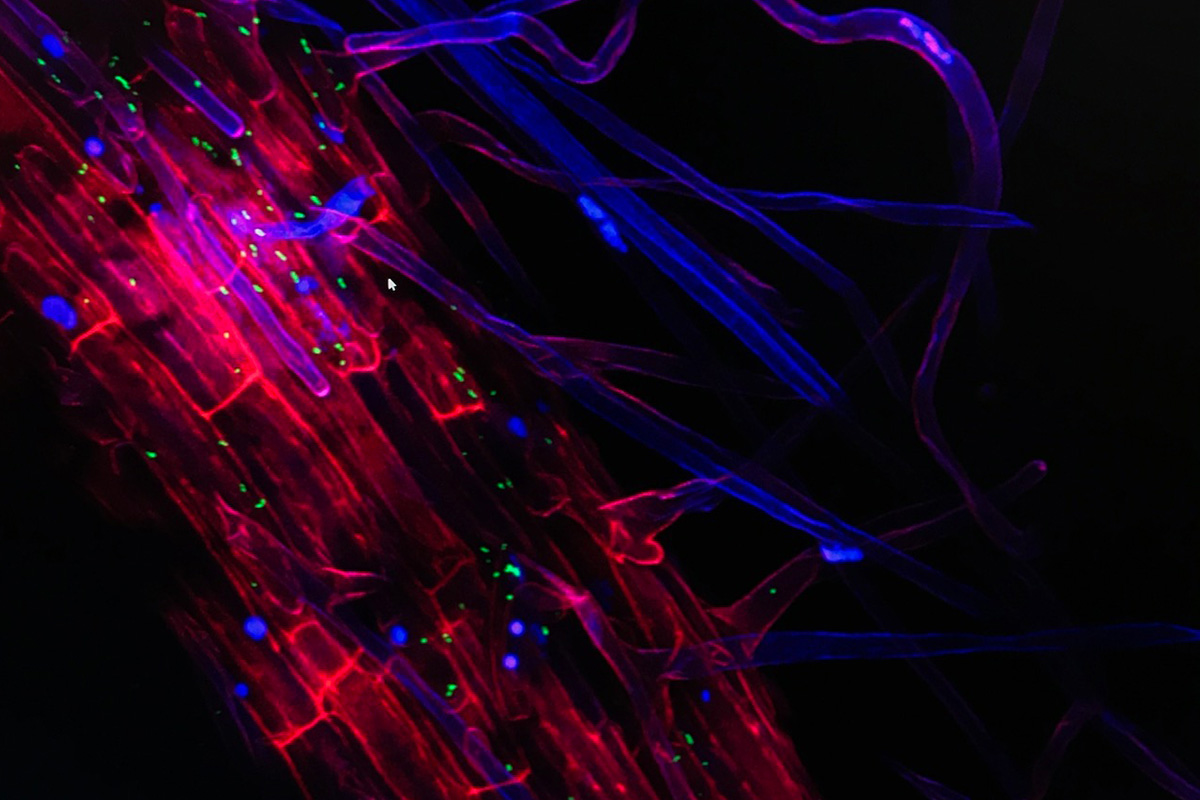
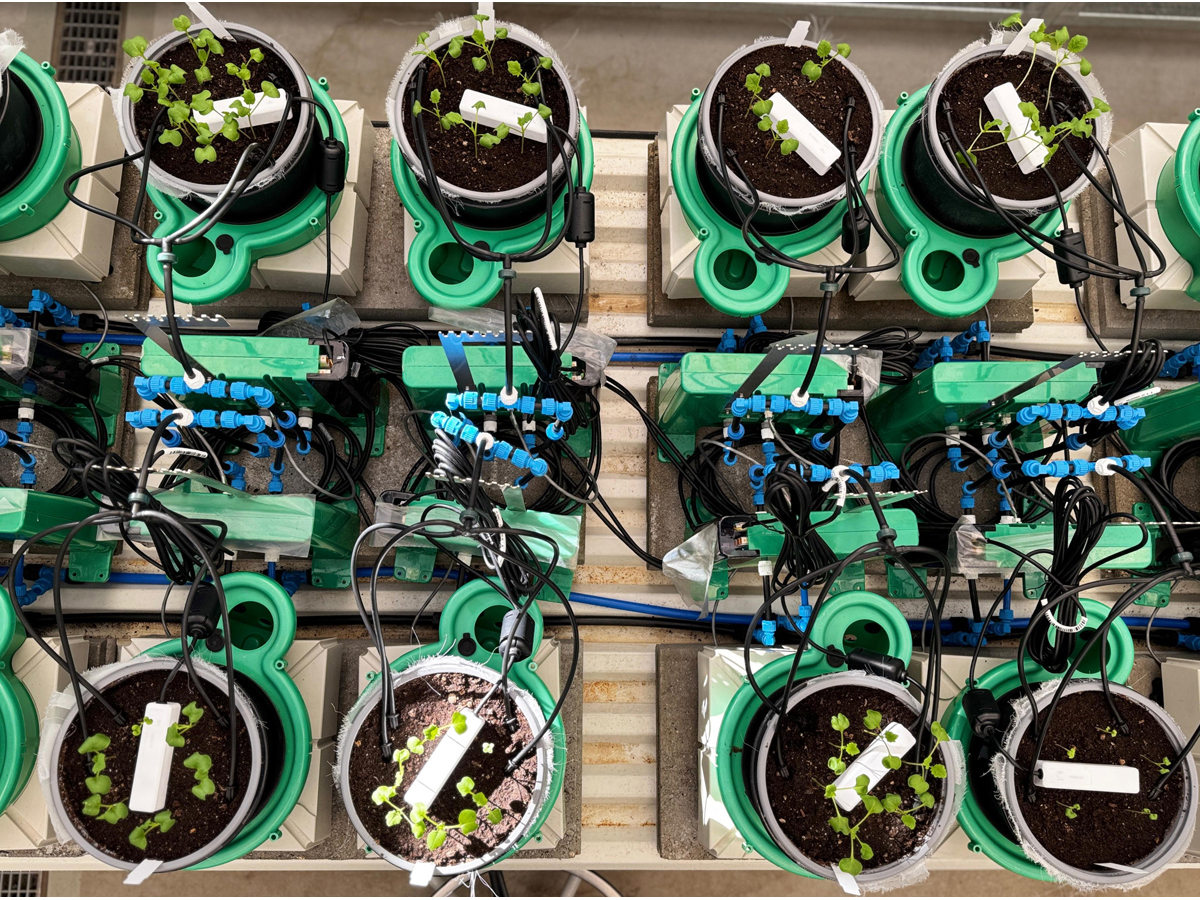
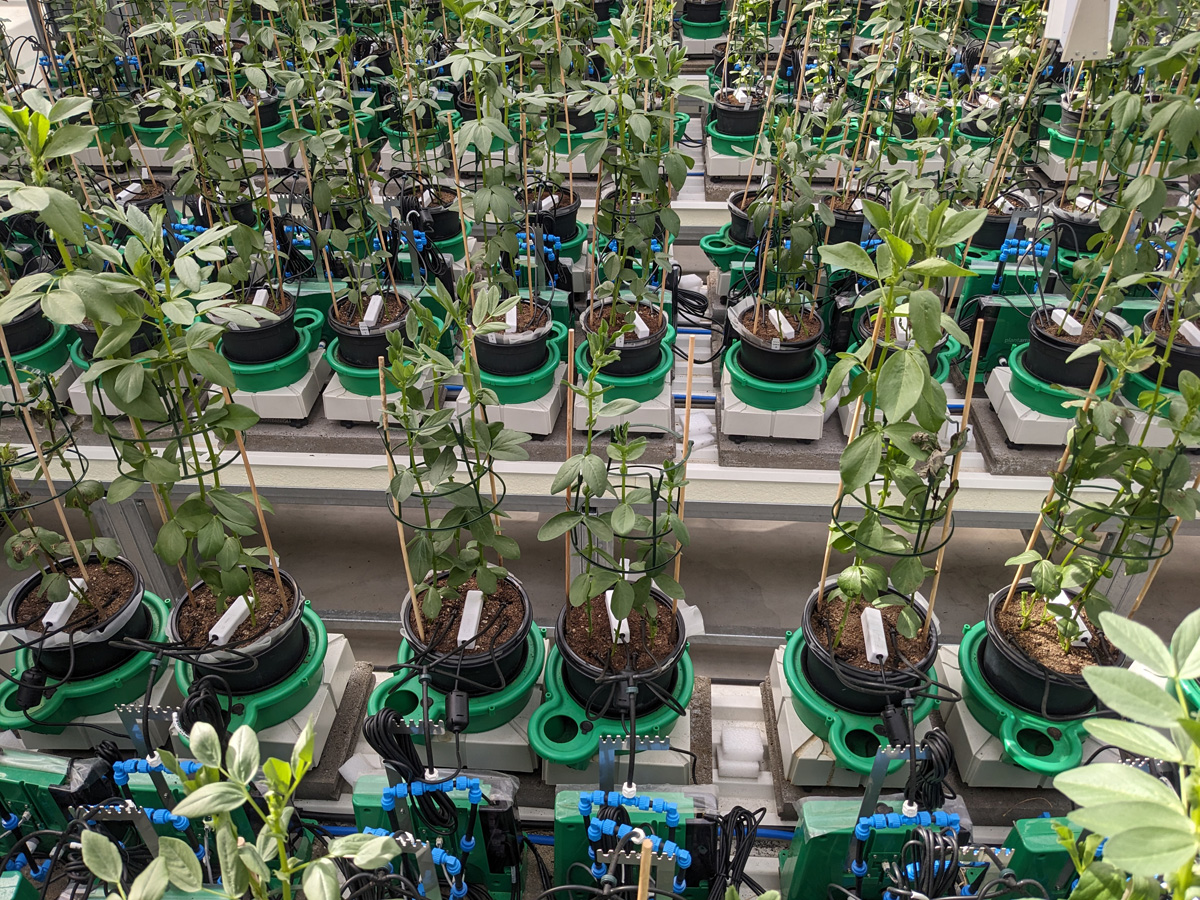
Our investigations within research alliances such as PlantInfect (1 & 2) and the TrophicHealth consortium demonstrate that contamination can occur at various points in the production chain.
"Plant-based products, especially when consumed raw or only after minimal processing, require very high-quality controls," emphasises Prof. Adam Schikora. "They can come into contact with water throughout the entire growth phase as well as after harvest, for instance through irrigation or cleaning. If quality and safety are not guaranteed during these processes, plants can become an entry point for pollutants, resistant bacteria, or human pathogens."
The aim of our research is therefore to understand and describe entry and dissemination pathways with such precision that effective monitoring and process control requirements can be derived. Only in this way can environmental and health risks be minimised.